
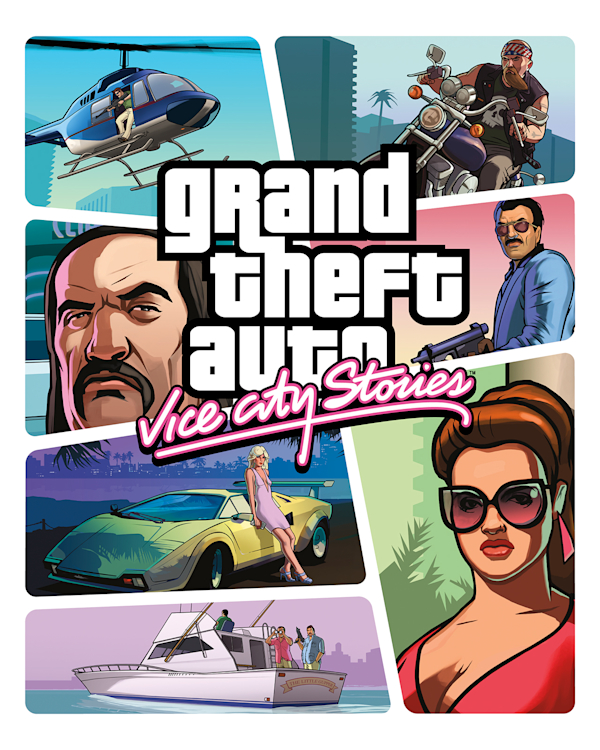
Grand Theft Auto: Vice City Stories visits Vice City in 1984 through the story of Vic Vance. Rockstar introduces him as a soldier trying to support his troubled family before a disastrous turn leaves him outside the army and drawn into the city’s criminal economy. The game shares a setting with Grand Theft Auto: Vice City, but it follows its own protagonist and earlier period. Keeping that identity clear makes its familiar streets feel like a place with another story to tell.
Follow Vic’s situation, not only the next marker
A mission becomes easier to remember when you understand what its requester wants. Pay attention to the relationship being established, the favor being exchanged, and what Vic expects to gain. That context gives the action a direction beyond simply reaching the next destination.
If you return after several days away, take a moment to recall the last major conversation. A short note about the contact you were helping can be enough. You do not need a full plot summary, and reading far ahead can take away the uncertainty that gives an unfamiliar assignment its tension.
Learn a few routes thoroughly
Instead of trying to memorize the entire city at once, become comfortable with the roads around a few places you visit repeatedly. Notice which turns are easy to miss and where a journey tends to slow down. Familiarity makes the next trip easier to plan.
Use quieter moments to practice handling a vehicle without the pressure of an objective. Braking before a corner and leaving room to correct a mistake are ordinary skills, but they can matter more than attempting the fastest possible route. A clean journey preserves your attention for whatever happens at the destination.
Prepare for the kind of task ahead
Before starting an assignment, check whether you are ready for the activity it suggests. A travel-heavy mission calls for confidence with the vehicle and route. A confrontation calls for awareness of your condition, equipment, and available cover. Preparation works best when it answers the immediate problem.
After a failed attempt, identify the earliest avoidable mistake. Did the route become confusing? Did you hurry into an area before understanding it? Replaying with one concrete adjustment can be more productive than simply trying to perform every action faster. Give yourself a reason for choosing a different approach.
Make ambition manageable
Rockstar frames Vic’s story around survival and the prospect of building a criminal empire. That broad ambition can be approached through smaller goals: complete one promising lead, improve your knowledge of a district, or return to an assignment with better preparation.
Leave each session with a clear idea of what you want to do next. Vice City Stories becomes more coherent when the city is a network of familiar journeys and relationships rather than a collection of unrelated markers. Vic’s progress then has a practical rhythm: understand the opportunity, prepare for its demands, and deal with the consequences before reaching for the next one.
Sources: Rockstar Games: Grand Theft Auto Vice City Stories; Rockstar Newswire: Vice City Stories setting and protagonist; Rockstar Support: Vice City Stories. Images are official publisher or developer materials; rights remain with their respective owners.